
In Uganda alone, 8 million people lack access to clean, safe drinking water.
Over 70% of all diseases treated in Uganda stem directly from a lack of clean water or poor sanitation and hygiene techniques.
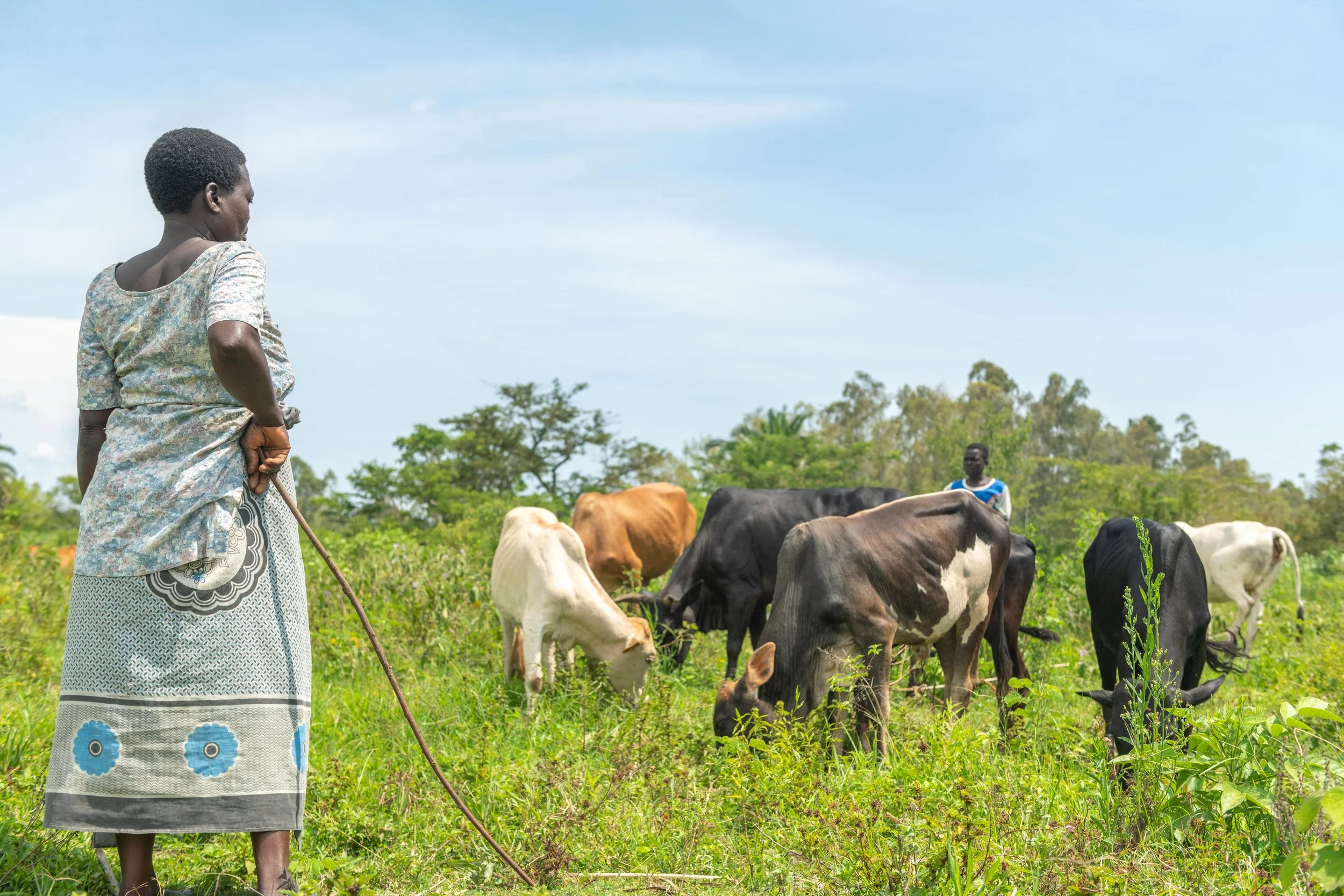
People in rural areas draw their drinking water mainly from surface sources such as ponds, rivers and lakes. These sources are often watering holes for livestock, downhill from latrines, and catchments for mudslide debris — all dangerous contaminants that can contribute to life-threatening illnesses like diarrhea, cholera, typhoid, dysentery and hepatitis.
These are some of the consequences:

Children are dying
Contaminated water and poor sanitation have strong links to the transmission of life-threatening illnesses like cholera, diarrhea, dysentery, hepatitis A, and typhoid. These waterborne diseases kill more than 3 million people every year.
43% of those deaths are children under five years old.

School days are lost
Children are often pulled out of school because they are sick with a waterborne disease that can cause illnesses like diarrhea. Missing school because there is no clean water or proper sanitation available means that students are loosing out on education that expands their perspectives and gives them tools to succeed in life.
In Uganda, over 25% of students will drop out of school because of water-related illnesses.
“Our children waste a lot of time walking for water instead of going to school.”

Girls are in danger
Girls often dropout of school after Grade 6 because schools don’t have private latrines where they can relieve themselves safely or manage their menstrual cycle.
When girls stop pursuing their education, they are often married too young.
Complications during pregnancy and childbirth are the leading cause of death for 15 to 19 year-old girls worldwide.
Economies are stifled
The role of clean water in alleviating poverty cannot be overstated. The time value of collecting water equates to over $24 billion in missed economic opportunity around the world each year.
An additional $18 billion is foregone due to missed productive work time as people struggle with the dire health issues that come with waterborne illnesses.
“Water is part of life and without it, we do not have peace because we are not able to do any productive work.”
At WaterSchool, we advance the health and wellbeing of Uganda's most vulnerable families and communities.
While we always start with access to clean, safe water, we know that lasting change requires a long-term investment in community education and infrastructure.
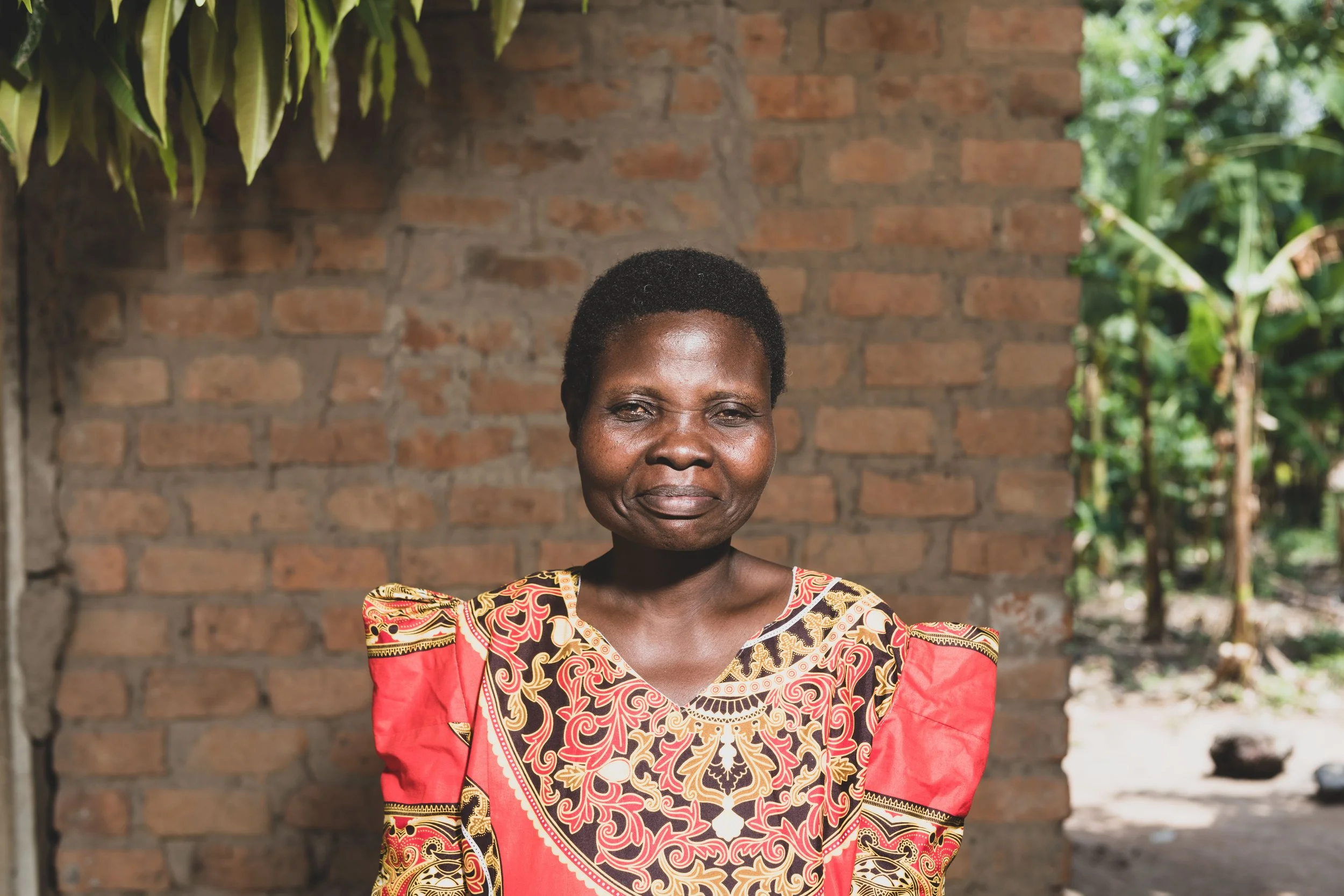
We believe in empowering people, like Lydia (pictured above) to be the drivers of their community’s own long-lasting, wide-reaching transformation.