Hello friend,

In the 20 years I've been involved with WaterSchool, I have learned a lot.

I've learned about the life-changing effect of clean, safe water. About how access to something so fundamental can unlock education, restore dignity and create opportunity where it once felt out of reach. I’ve seen how a simple solution, when placed in the hands of a community, becomes a catalyst for lasting transformation.

I've also learned just how important having the right partner is. At WaterSchool, we are fortunate to partner with Africa Water Solutions (AWS). Since 2017, we have worked with AWS's team of brilliant young Ugandan leaders to implement locally sourced, locally led solutions to the water crisis. The team's deep understanding of local culture and needs, as well as their passion, integrity and commitment, continues to inspire us.

This year, WaterSchool's team has chosen to update our logo and branding to reflect our partnership with the Africa Water Solutions team.

This change is about more than a new look. It is a reflection of who we are and who we will continue to be. It signals our belief that the most powerful, sustainable change happens when communities lead and when partnerships are rooted in trust.

As we look ahead, we do so with confidence. Confidence in our partners. Confidence in the communities we serve. And confidence in our simple, effective model that has already transformed over a million lives, and will continue to do so for years to come.

Thank you for being part of this journey with us. Your trust, support and belief in this work make everything we do possible.

With gratitude and hope,


Dave Ericson
Chair of the Board, WaterSchool


Dear Partners and Stakeholders,

The year 2025 marked a period of meaningful transformation and innovation for Africa Water Solutions and the communities we serve. Together, we expanded access to safe water, strengthened sanitation systems, advanced practical WAter, Sanitation and Hygiene (W.A.S.H.) innovations, and empowered families through life-changing hygiene education. What distinguishes this year is both the scale of our reach and the quality, sustainability and dignity embedded in every solution we deliver.

With your steadfast support, we implemented climate-resilient water systems, strengthened the capacity of local water management committees, improved access to menstrual hygiene services for girls, and supported households to adopt safe and improved sanitation practices. Beyond infrastructure, we emphasized community engagement by ensuring that every intervention is locally owned, responsibly managed and built to endure.
The stories captured in this report reflect lives permanently changed: children who no longer miss school due to water-related illnesses, women and girls who walk shorter, safer distances for water, and communities that now take pride in managing and safeguarding their own water resources.

As we look ahead, we do so with deep gratitude, renewed ambition, and an unwavering commitment to our mission. We remain dedicated to building a Uganda where everyone, everywhere, has access to safe water, good sanitation, and the knowledge needed to live healthy and productive lives.

Thank you for walking this journey with us.

With sincere appreciation,

 

John Ochieng
Executive Director, Africa Water Solutions

  • Professor Ponsiano Ocama, Board Chair, Africa Water Solutions, Uganda
    John Ochieng, Executive Director, Africa Water Solutions, Uganda
    Joseph Tumushime, Program Director, Africa Water Solutions, Uganda
    Sarah Nsonga Lutalo CPA, Chief Financial Officer, Africa Water Solutions, Uganda
    Richard Lau, Executive Director, WaterSchool, Canada
    Tony Woodruff, Africa Program Director, WaterSchool, Canada
    Dave Ericson, Chair of the Board, WaterSchool, Canada
    Gregg McNair, Board Member, WaterSchool, Panama

New Look, Same Mission: Clean Water, for Life
We are thrilled to share with you our refreshed logo. In aligning ourselves with the Africa Water Solutions logo, we reflect our longstanding commitment to this partnership and our belief in the model we have built together. It is a symbol of shared purpose, mutual respect and a future shaped through collaboration.
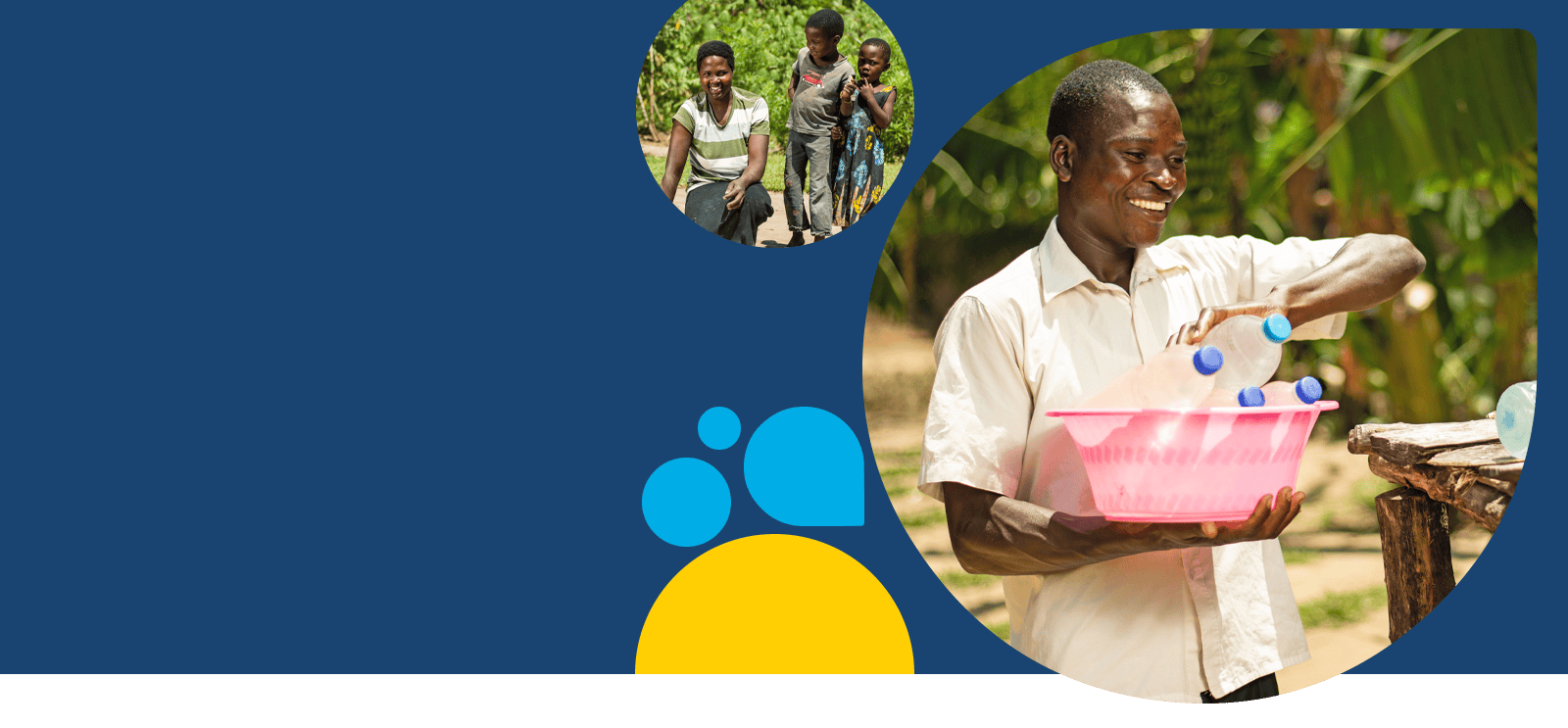
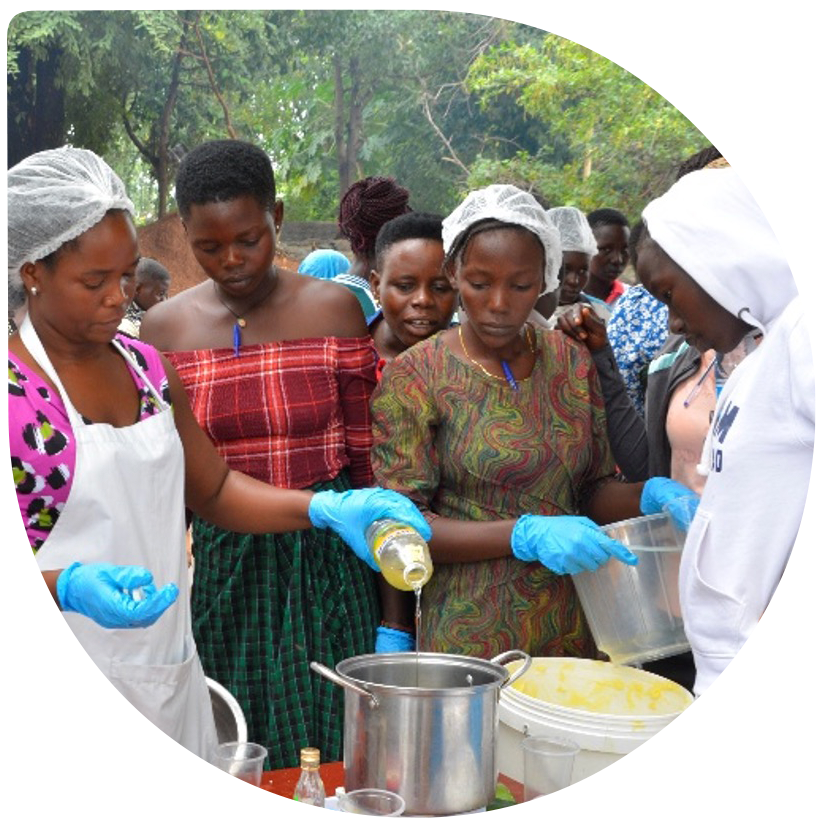
 

In 2025, your generous support reached over 82,000 people with improved access to safe, drinkable water. This includes 3,514 students
at three schools, as well as patients and staff at four health centres. 

Please scroll through the slides below to learn more about the
wide-reaching impact of your support.


184

Villages, including 15,274 households, received training in water purification through SODIS and how to implement long-lasting improvements in sanitation and hygiene practices

14,393

households constructed new sanitation facilities or improved existing structures to bring them up to a safe standard.

167,800

PET bottles were distributed for SODIS, and 180,919 old SODIS bottles were collected for recycling.

56

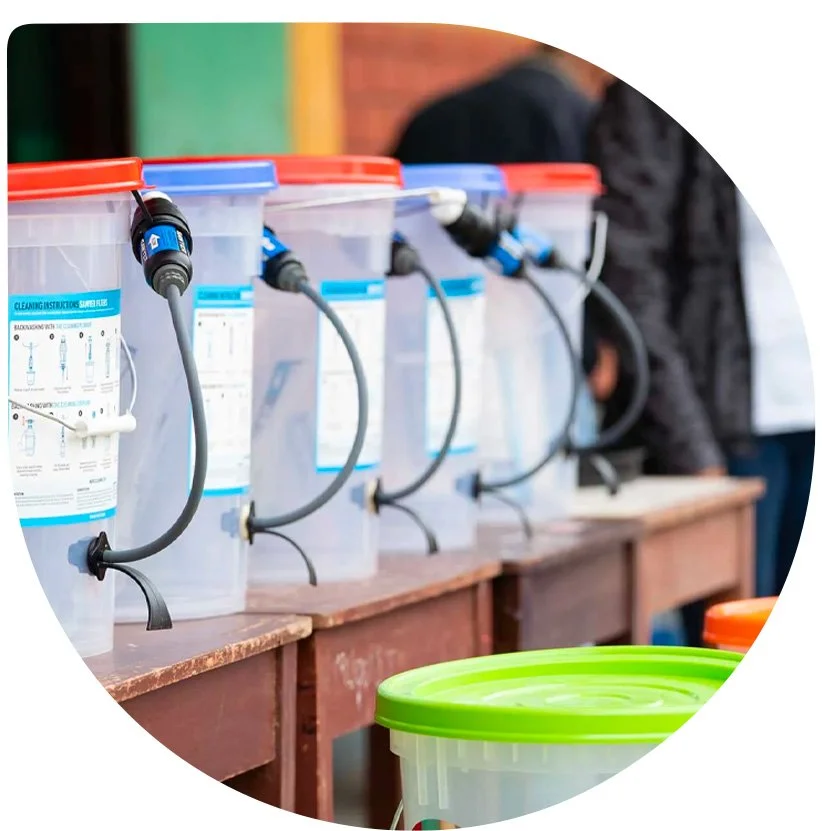
Sawyer water filter systems were built in classrooms in three different schools, supplying the students and staff with clean, drinkable water.

95

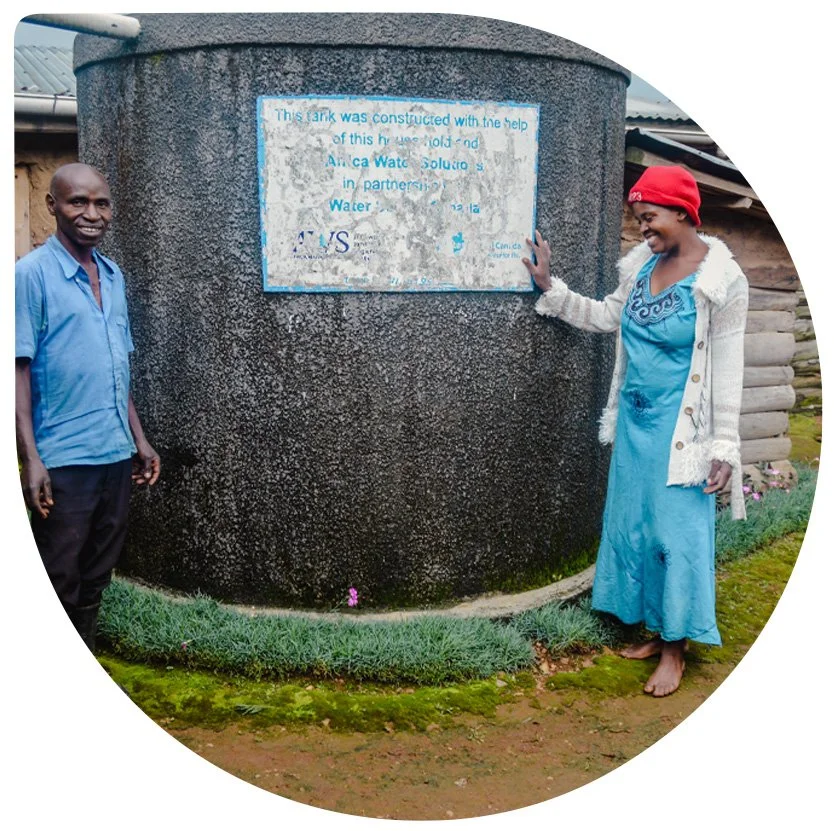
Rainwater tanks were constructed, providing safe drinking water for people right outside their door, at schools and at clinics.

492

SaTo Pan toilets installed. These “safe toilets” are designed to reduce insects and other hosts’ access to feces — thus limiting their ability to spread diseases.

3

Schools received Menstrual Health Management rooms and the training needed to empower girls to stay in school when they have their periods.

139

Village Savings and Loans Associations (VSLA) were established with over 6,227 members. Over 100 of these VSLAs were fully funded, giving communities the opportunity to generate income to maintain their village’s shared infrastructure.

8,204

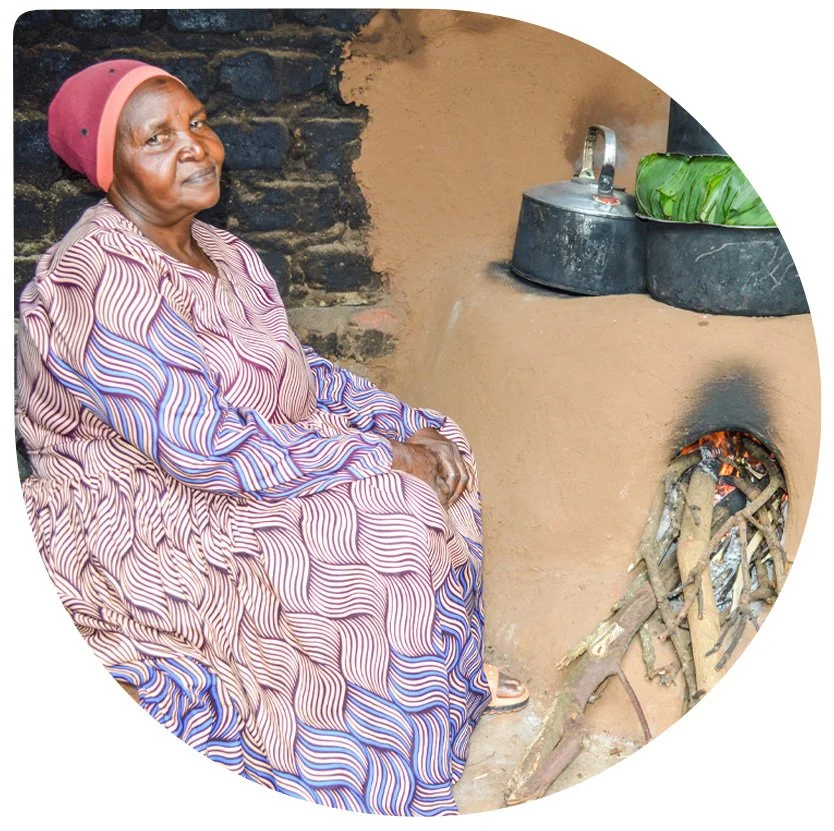
Energy-saving cookstoves were provided to families. These stoves vent outside the home, protecting families from smoke-inhalation. They also use 80% less fuel.


A Proven Solution

Every year we track the relationship between our W.A.S.H. intervention and the prevalence of waterborne illnesses among the households we partner with. Year over year, we see an astounding drop in waterborne illness as the training and education takes root.

In 2025, 16,119 households experienced nearly a 100% decline in the incidence of diarrhea.

Health Impact

Time period (x) versus percentage of households reporting diarrhea (y).
 

This year, we returned to communities that we worked with in 2018, 2019 and 2022 to find out if the original partnership led to lasting results. 

Here's what we found.


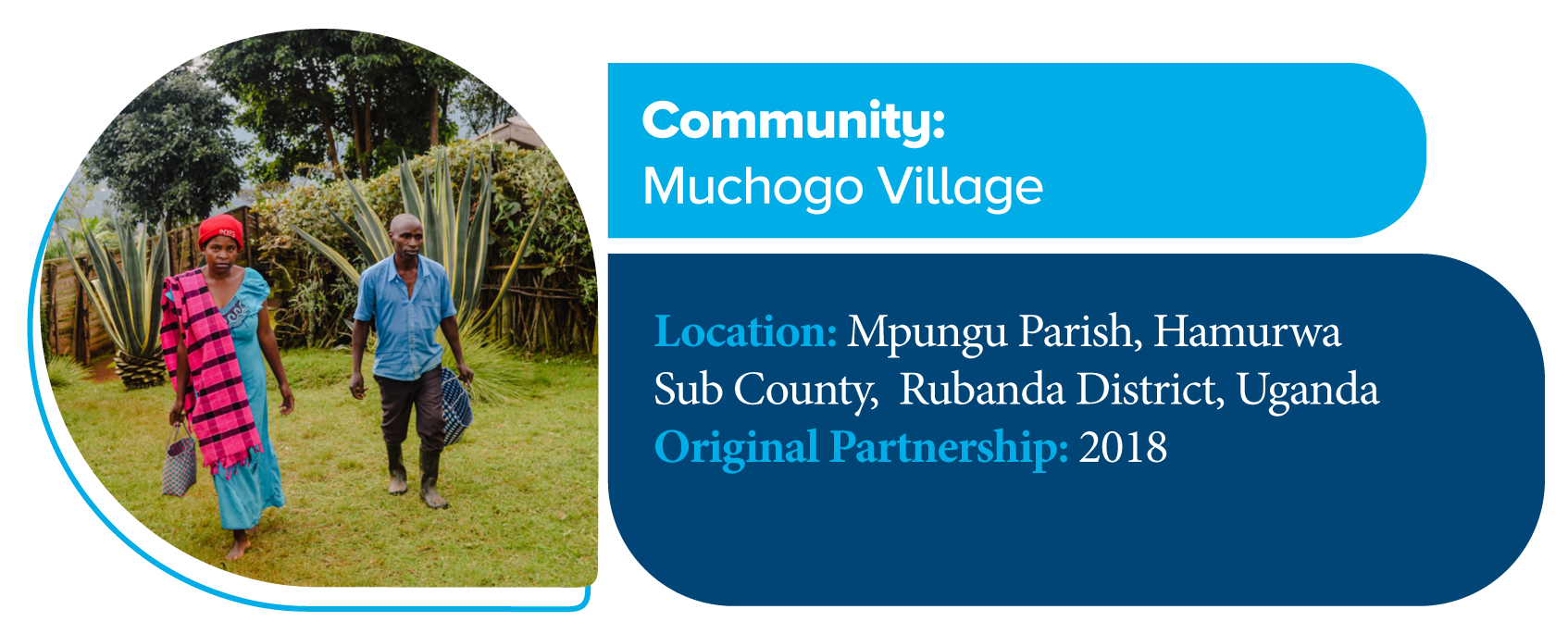
Before: Muchogo Village was one of the first that Africa Water Solutions worked with back when our partnership began. With few latrines, the community faced significant challenges with people defecating out in the open. This led to a host of health and sanitation concerns for the community. 

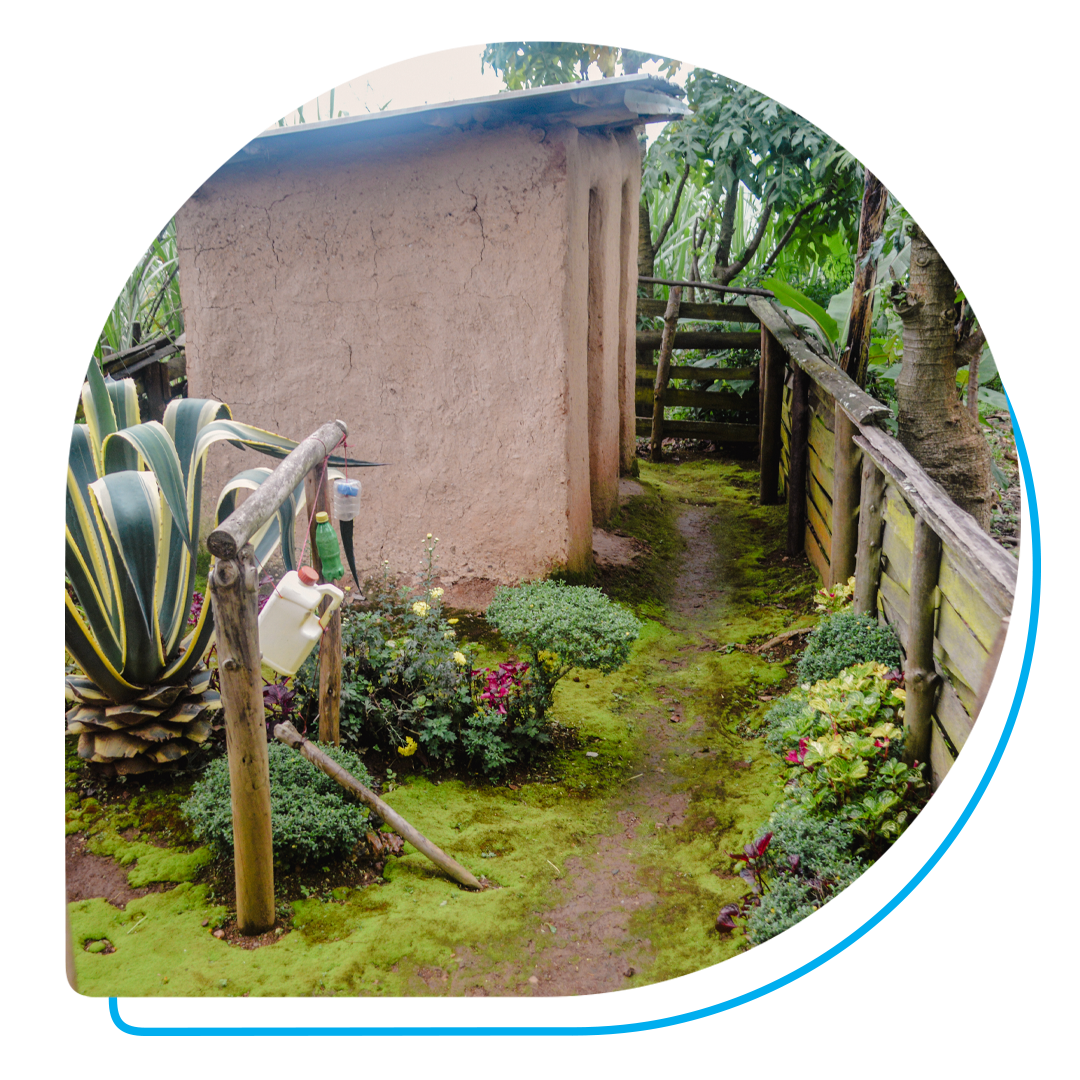
First year of partnership: Families began building latrines with doors and covers, hand-washing stations and bathing structures. For clean water access, rainwater collection tanks were built across the community. The community also began working towards Open Defecation Free (ODF) status.

2025 update: Achieving ODF certification back in 2018 was a major milestone for a community like Muchogo Village. It means every household has a safe latrine and handwashing facilities and has embraced lasting behaviour change supported by community accountability. Sustaining this status over the years reflects a strong, ongoing commitment to sanitation, maintenance and collective responsibility.

In real life: For Akankwasa George, your investment in W.A.S.H. education has created lasting change. Using locally available materials, he steadily improved sanitation and hygiene at home, transforming it into a model for the community. With strong W.A.S.H. practices and a 6,000-litre rainwater collection tank, George now grows thriving crops and fruit trees, providing both food for his family and additional income.

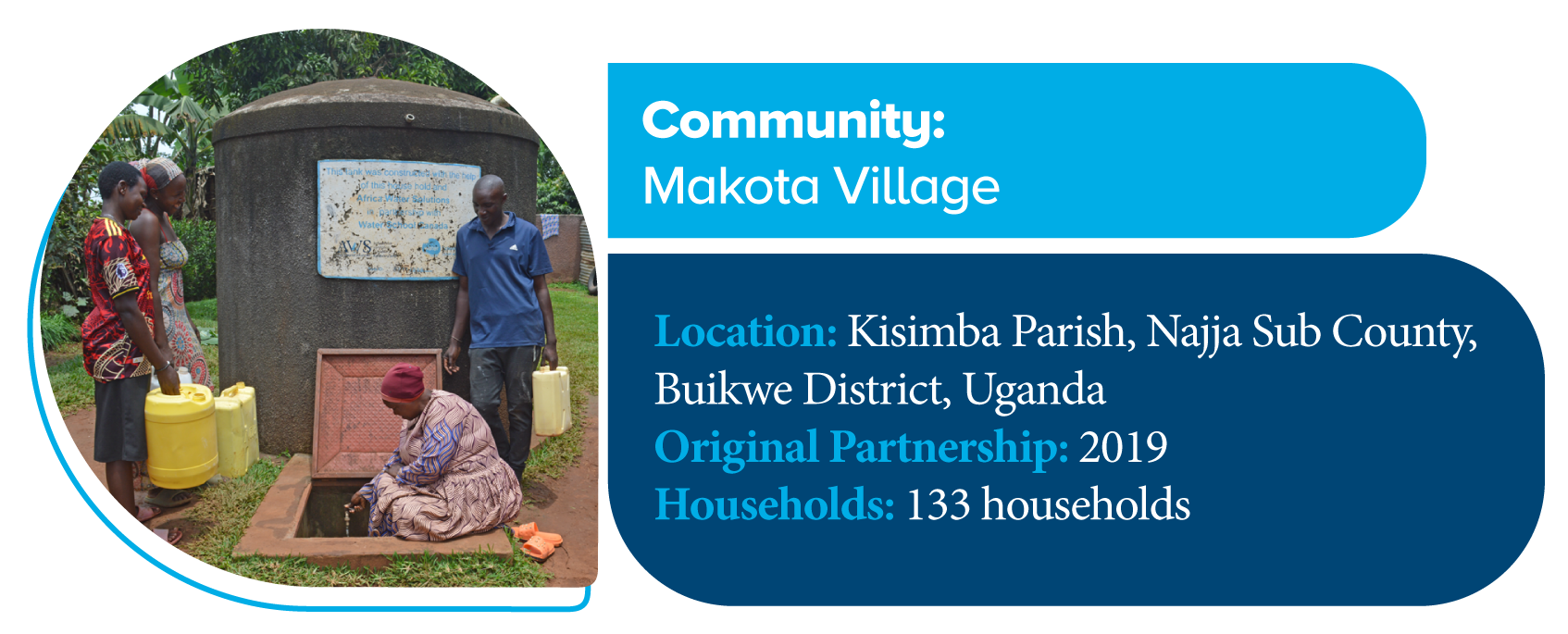
Before: Before the Africa Water Solutions W.A.S.H. program began in 2019, the community faced frequent sanitation-related illnesses like diarrhea. Limited handwashing and improper latrine use were common, leading to high medical costs, missed school for children and lost income opportunities for adults.

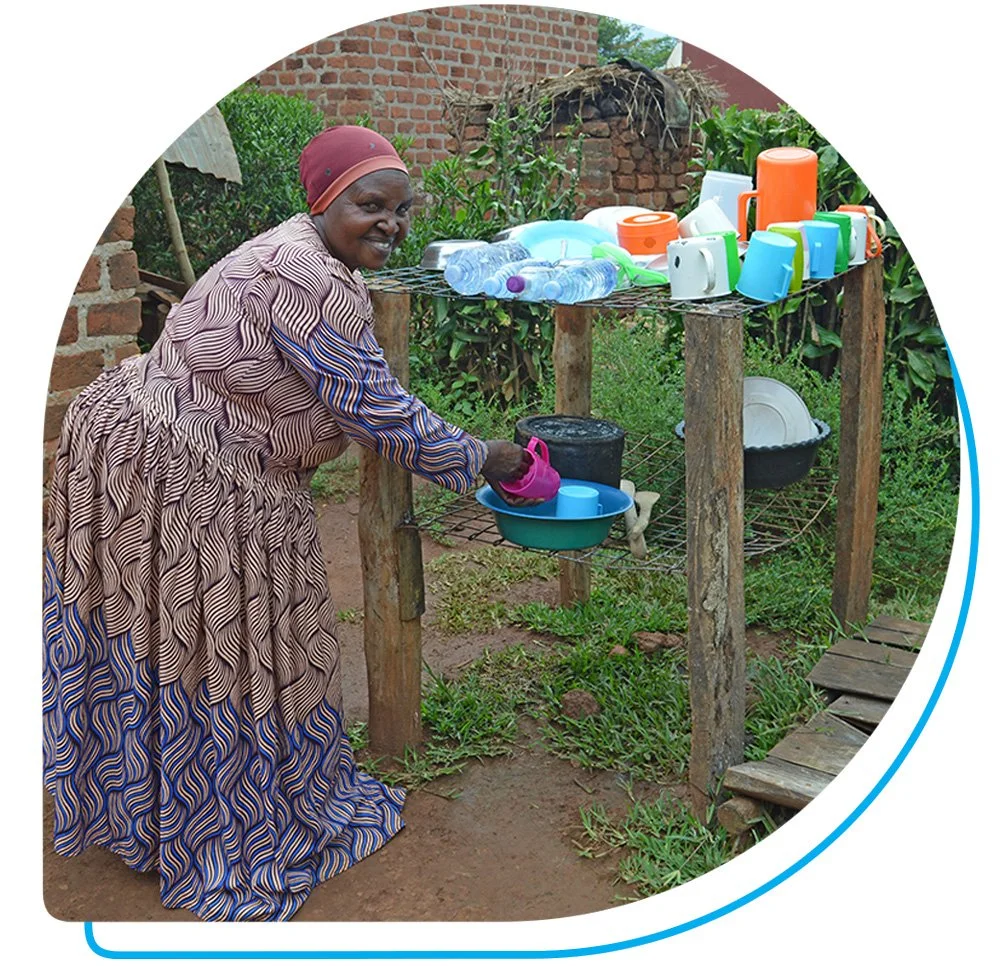
First year of partnership: AWS implemented W.A.S.H. activities to improve sanitation and hygiene, including ending open defecation, training households in safe water treatment (SODIS), and ongoing follow up to support behaviour change. Over time, the community adopted practices like installing handwashing stations, dishracks and safe water storage.

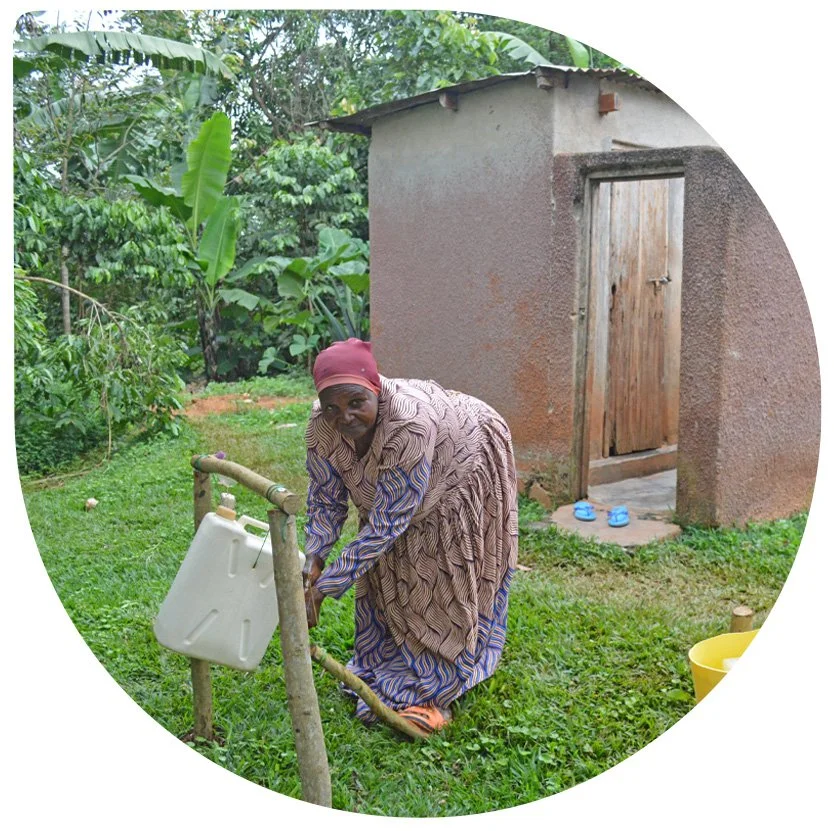
2025 update: When our team visited Makota Village, we saw that the community continues to maintain and use their various W.A.S.H. tools. Whenever something like a tippy-tap breaks, it is fixed by the family or by the community at large.

In real life: When the AWS team visited Makota Village in 2019, Mrs. Mudono was inspired to take action. She built a latrine with a squat pan, installed a handwashing station and led her family in adopting better hygiene practices. Since then, waterborne illnesses have dropped significantly, reducing medical expenses and allowing her children to attend school consistently. Mrs. Mudono says the W.A.S.H. program has truly transformed her family’s life.

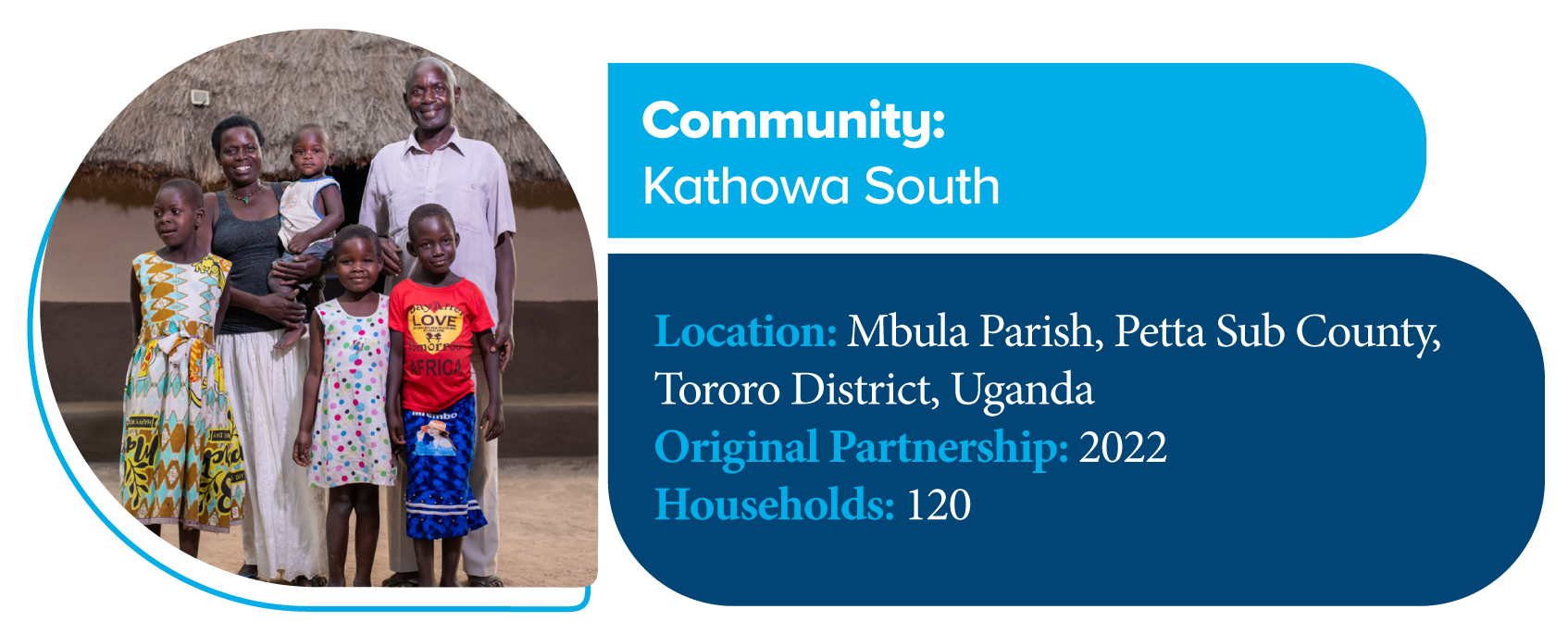
Before: When we first were introduced to the community of Kathowa South, the community was in a dire situation. Only 52% of homes had latrines, and just 3% were safe. The rest of the community practiced open defecation and just 0.8% washed their hands.

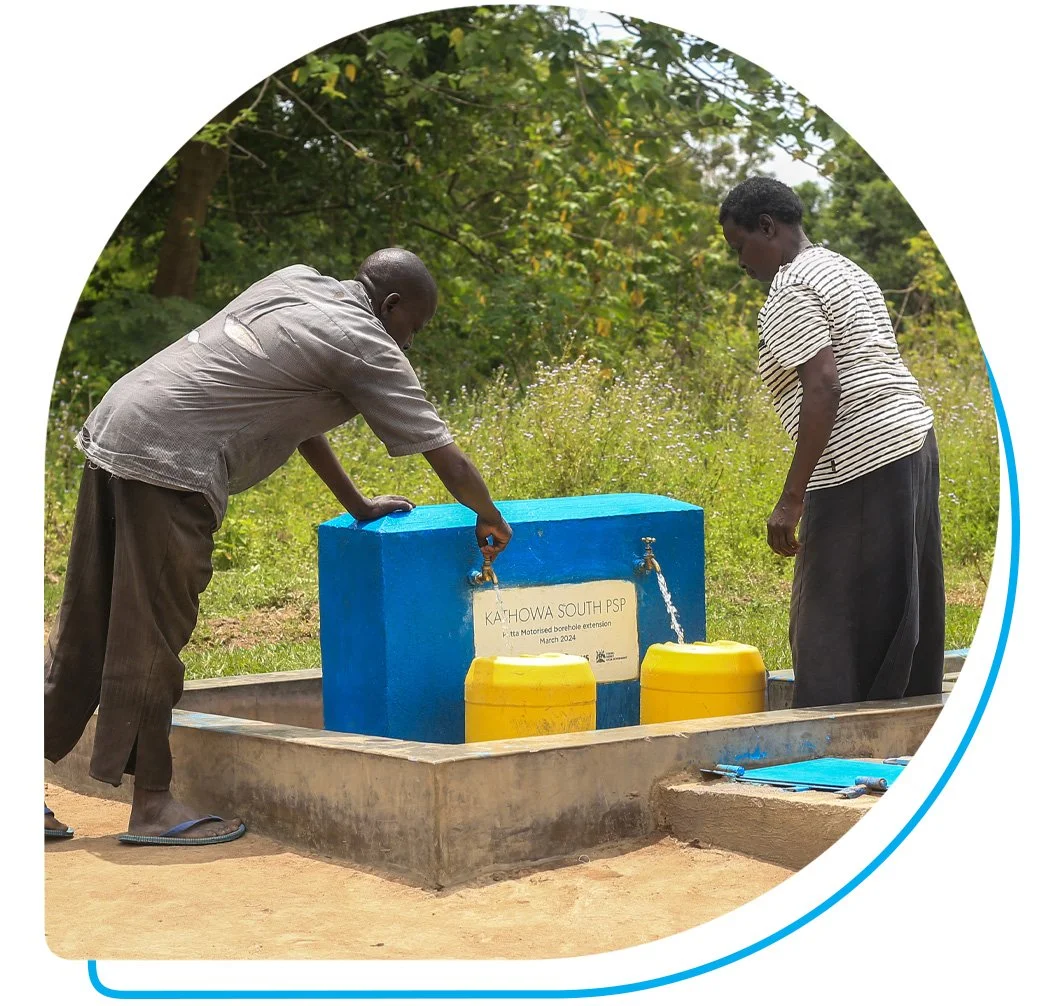
First year of partnership: One of the main challenges the Kathowa South community faced is that they had very little water for SODIS. They did have a murky swamp to access water from, but it wasn't enough. Alongside our flagship hygiene and sanitation training, the AWS team — fuelled by your generosity — also built a solar-powered borehole in Kathowa South, providing access to clean, safe water through a public tap stand. 

2025 update: The projects and training originally implemented in 2022 are still going strong. Strong hygiene and sanitation practices are the norm now in Kathowa South, benefitting health, education and business. Clean, safe water continues to flow from the solar-powered borehole — ensuring that families do not have to draw water from murky swamps.

In real life: For Mr. Orendi, life pre-2022 was challenging. With no sanitation facilities in his home and access only to unsafe water, his family often battled intestinal worms, typhoid and diarrhea. Today, after engaging with AWS’s W.A.S.H. program, his family has built a latrine, handwashing station, bathing shelter and waste system. The savings from reduced medical expenses have even allowed them to rebuild their home and add a new roof, clear evidence of lasting change.


Community Sustainability Strategies

In the previous section, you saw how communities continue to thrive years after our first connection. But lasting change takes ongoing effort. Here’s how your support helps communities sustain that progress for the long haul.

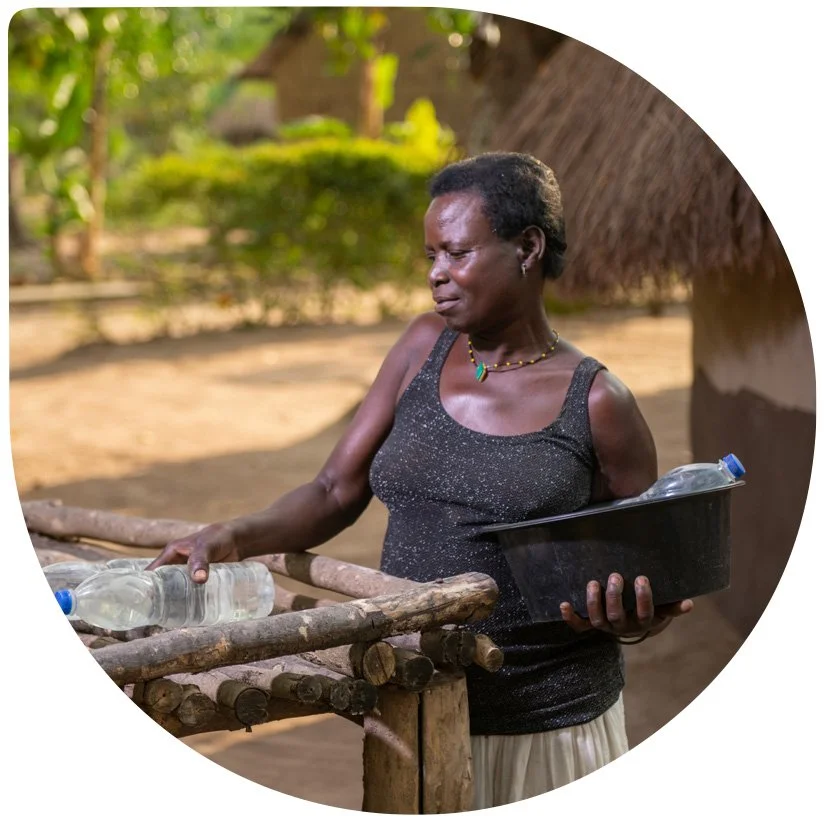
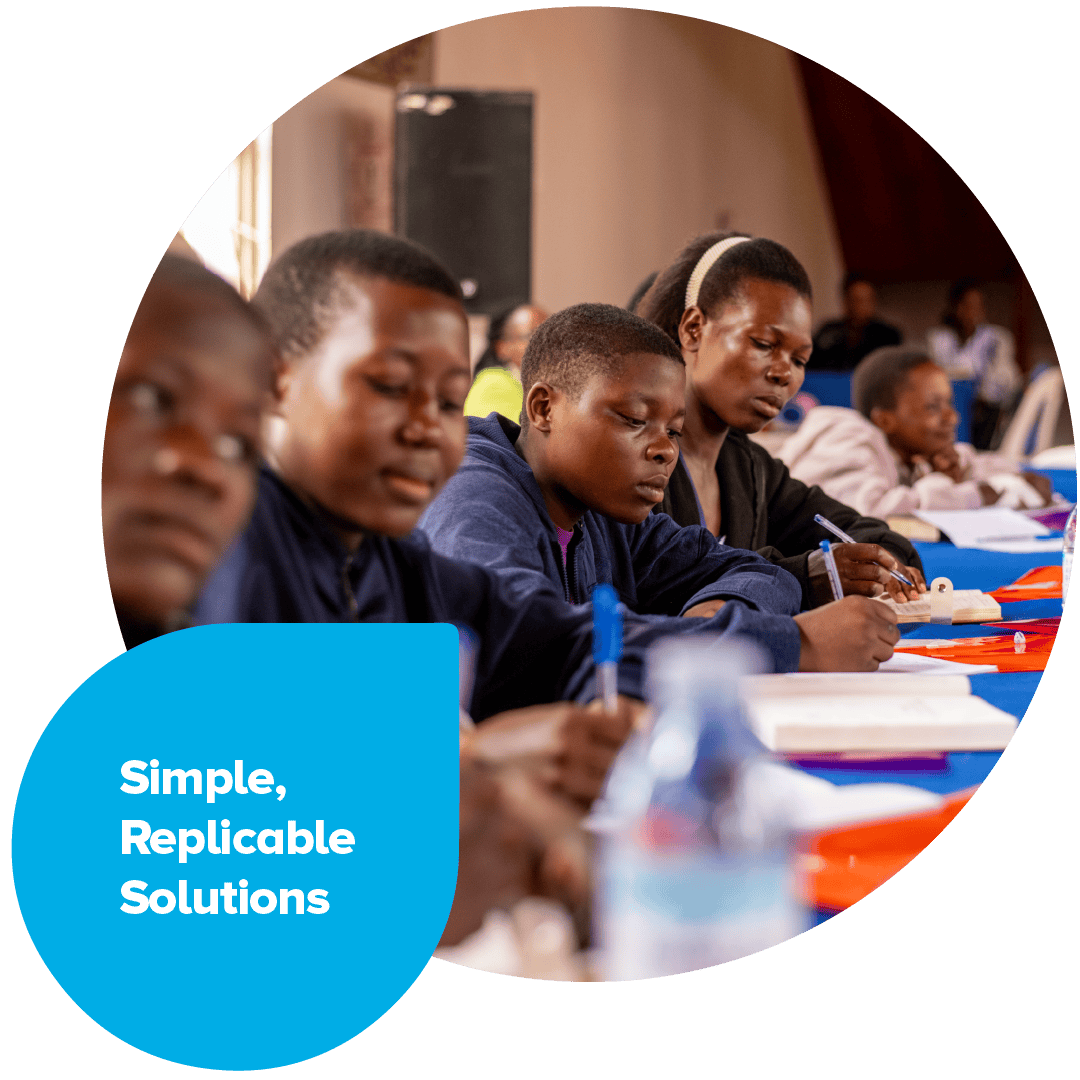
Complex infrastructure needs specialized skills to repair, which is why most of our work focuses on education rather than big building projects. When people have the knowledge, training and skills to live healthier lives, they put them into action—and sharing that knowledge to inspire others costs nothing. Our focus on education and simple, easily replicable solutions like tippy-taps and latrines is how we ensure your support has lasting impact.

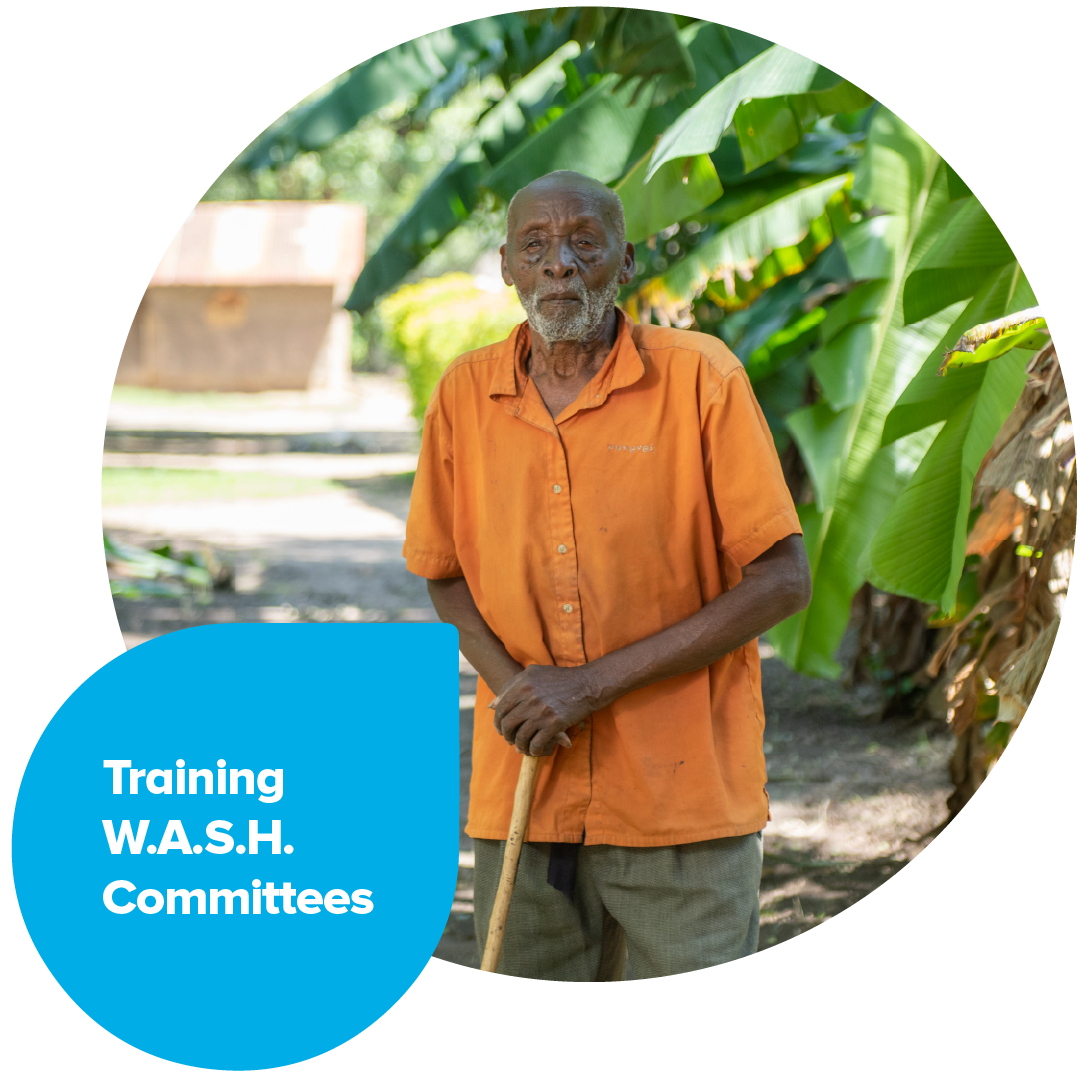
As a part of our partnerships with communities, we help establish Water and Sanitation (W.A.S.H.) Committees in each village. This committee is a group of community leaders, elected by their peers, who take responsibility for overseeing local water, sanitation and hygiene efforts. The Committee plans, manages and maintains W.A.S.H. facilities, promotes healthy practices, handles funds for repairs and ensures water sources remain usable over time.

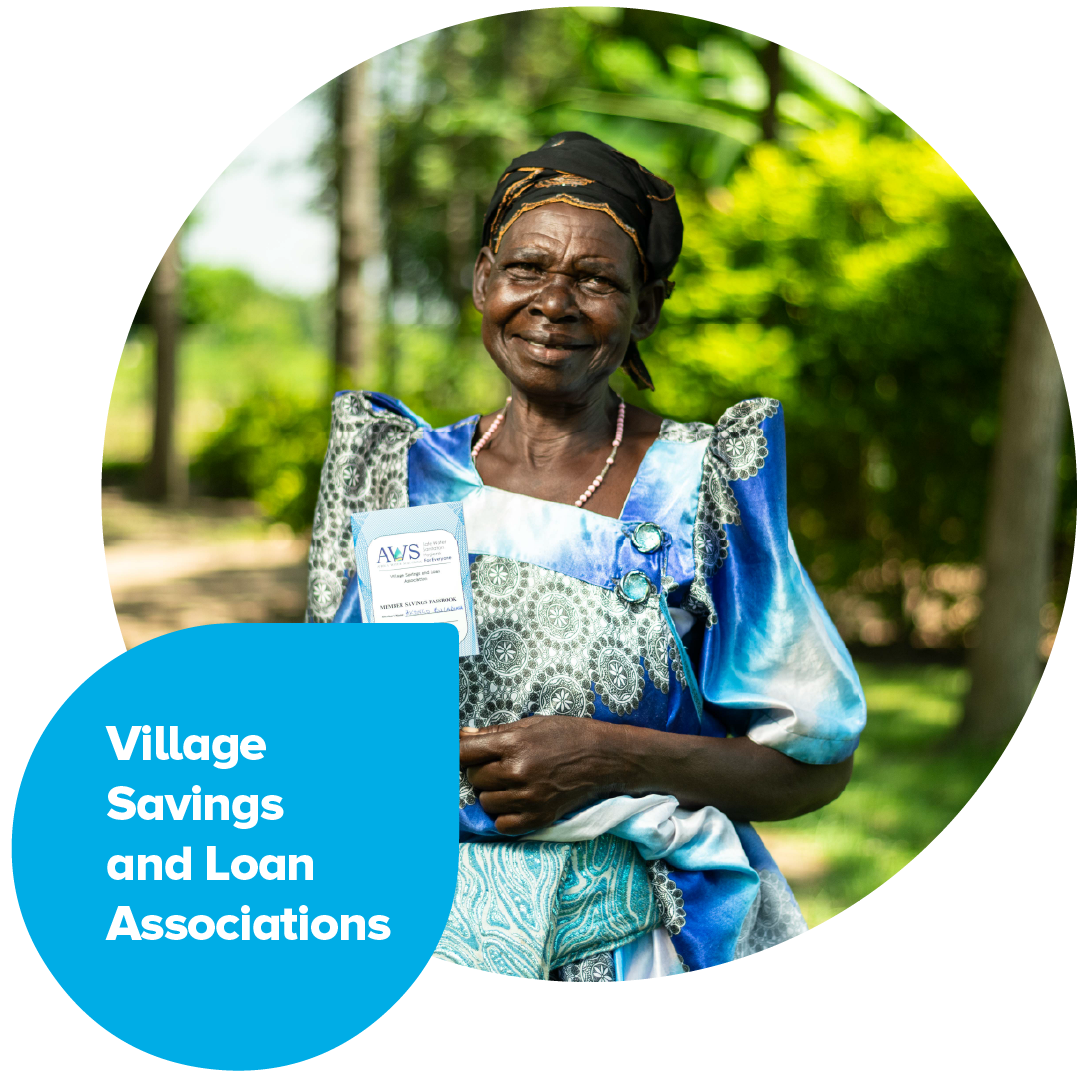
Village Savings and Loan Associations (VSLAs) are established and funded in every community we partner with. This kickstarts the local economy by giving communities the opportunity to seed-fund thousands of small businesses that generate income to maintain their village’s shared infrastructure.


Organizational Sustainability: SolarGen

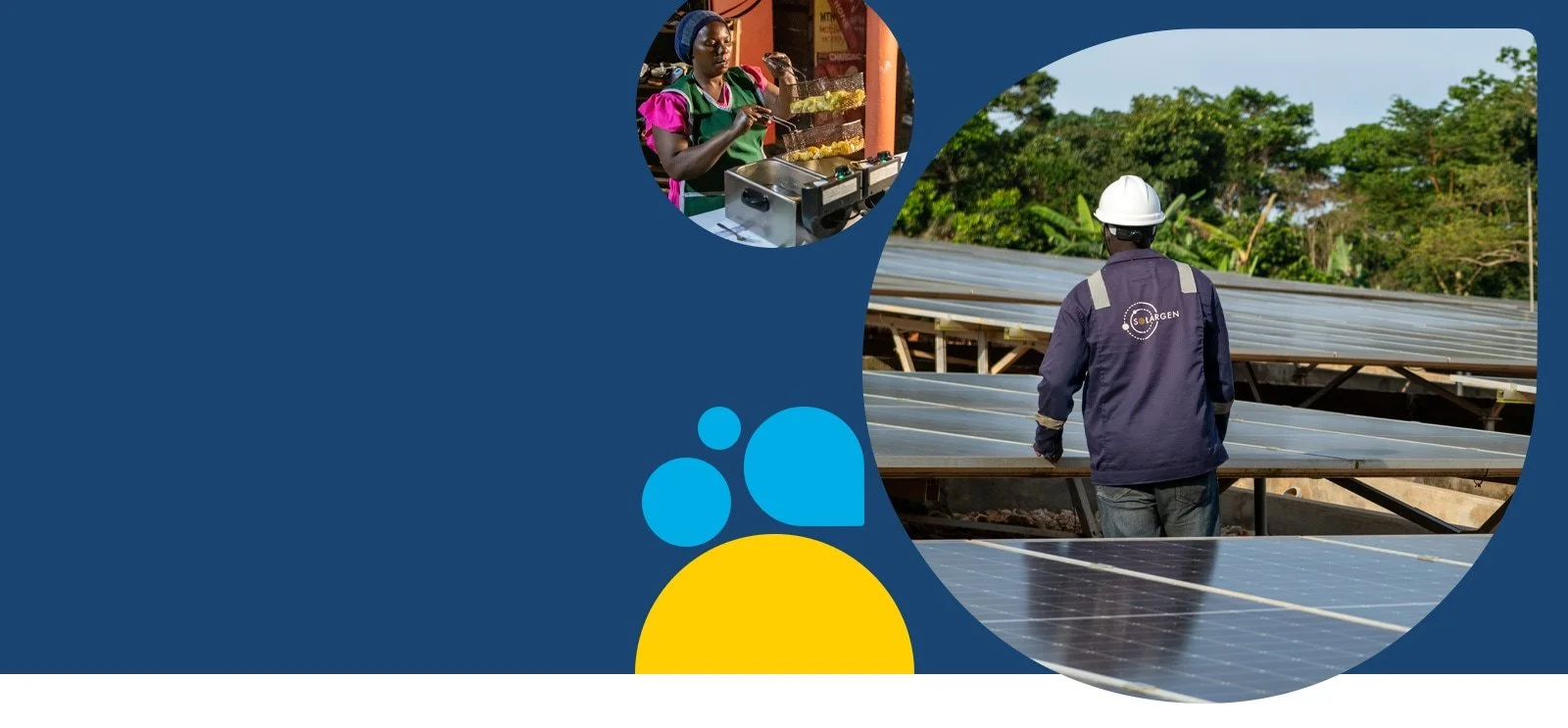
As the global community scales back humanitarian support, we’ve been quietly focusing on strengthening the long-term sustainability of our partnership with Africa Water Solutions. The stronger AWS becomes, the more people they can reach with life-changing education and training.

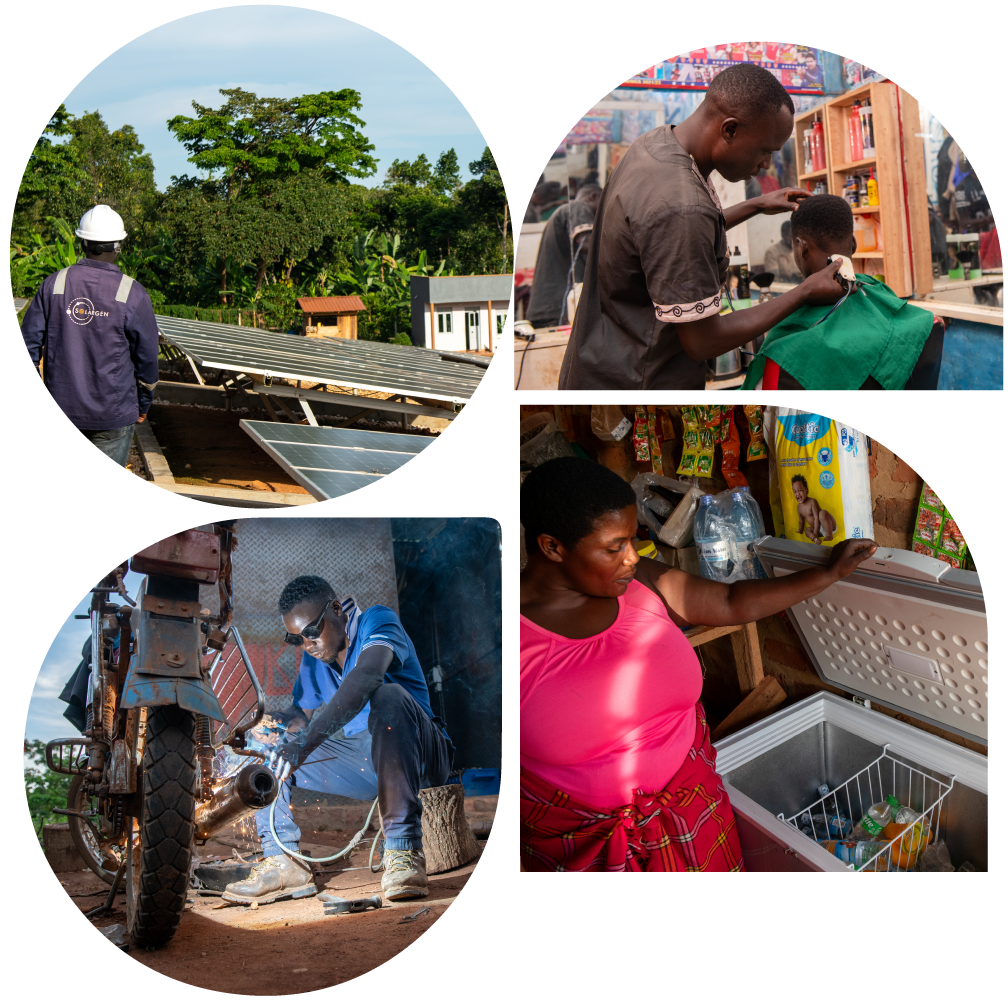
In 2022, we partnered with a donor to build SolarGen, a solar farm on Bussi Island, Uganda. By harnessing Uganda’s abundant sunshine, we capture solar energy.  Now electricity connections are available across this beautiful island, which is surrounded by Lake Victoria. The SolarGen electricity grid is owned and operated by Africa Water Solutions, and homes and businesses buy power from Solargen.  This has transformed lives. The economy is booming with new businesses opening.

Just a few years in, we’re making progress towards selling all the electricity we produce, with profits going directly back into the W.A.S.H. programs we do with Africa Water Solutions.


Your generosity at work 

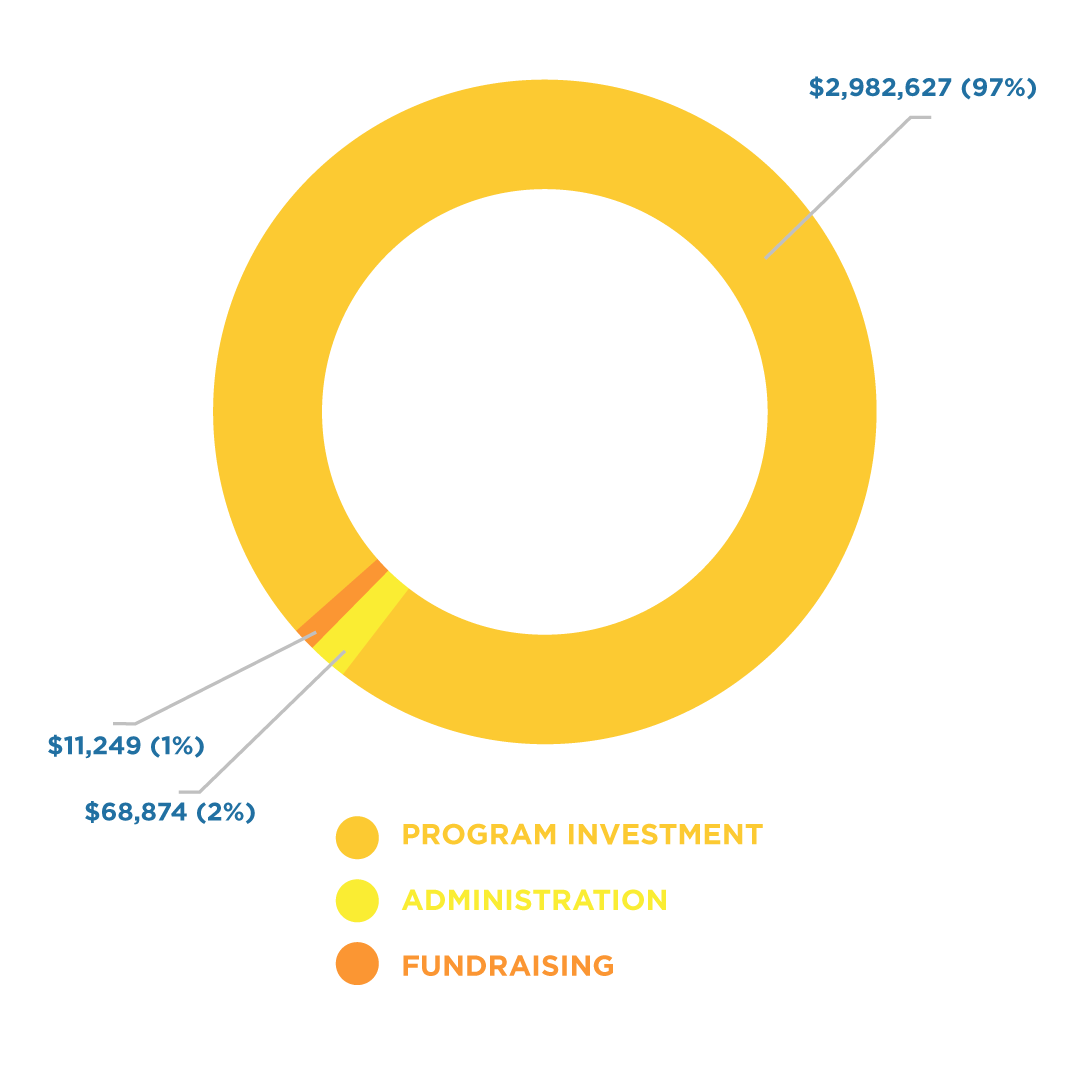
When you give to WaterSchool, 100% of every dollar you give goes directly to our programs in Uganda as our Board of Directors generously covers our minimal administration costs. You can rest assured that your gifts are having maximum impact.

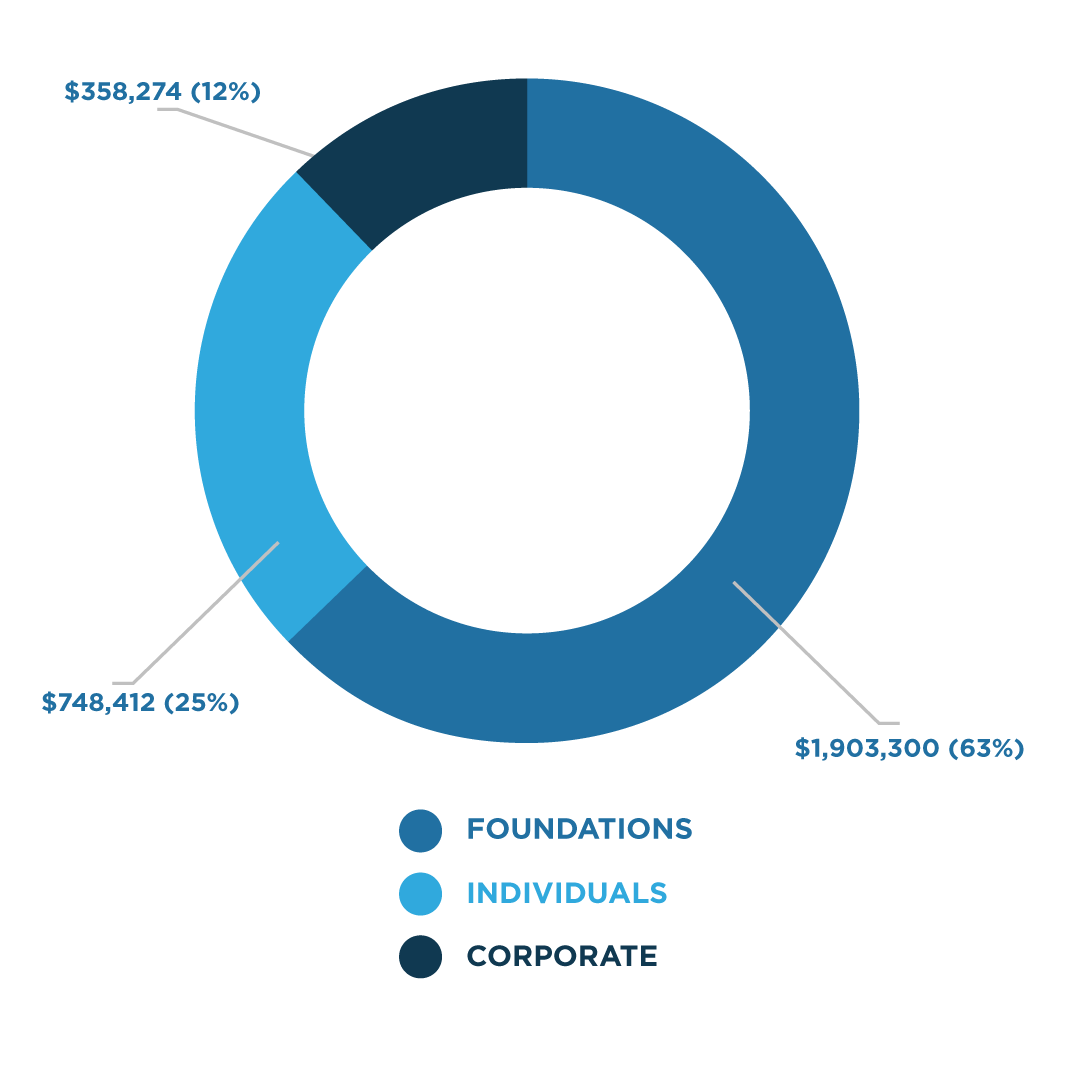
Revenue:

Total: $3,009,986

Expenses

Total: $3,062,750

Note: In 2025, expenses slightly exceeded revenue as we drew modestly from reserves. Our reserves position remains healthy.


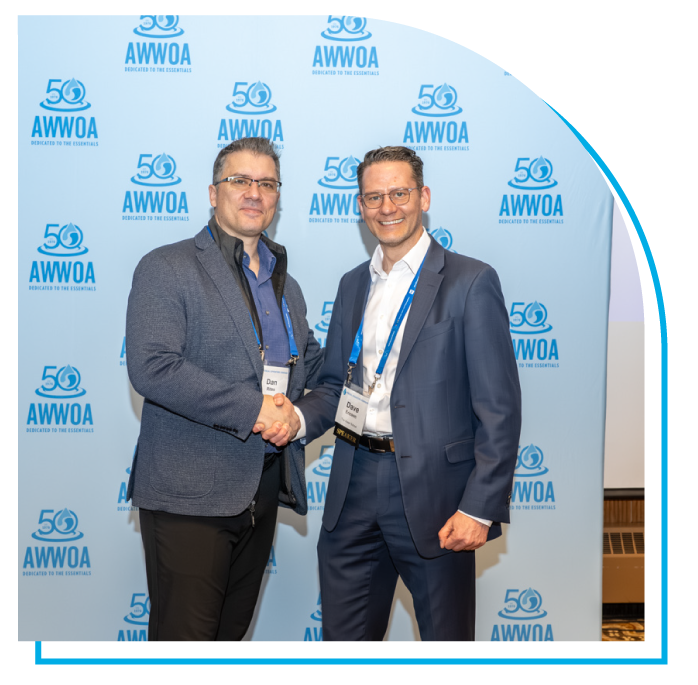
"Alberta Water & Wastewater Operators Association (AWWOA) values the important work that the WaterSchool is doing and is proud to support these initiatives. The provision of clean water, education and sustainable practices creates life-changing impacts for the health and the wellbeing of individuals and their communities. This work closely aligns with AWWOA’s commitment to advancing access to safe, reliable water. We look forward to continuing our support of WaterSchool and contributing to positive change rooted in water."

Dan Rites, Executive Director
Alberta Water & Wastewater Operators Association

 
Since 2013, AWWOA's community has generously donated over $250,000 to support clean water initiatives in Uganda through WaterSchool.
 

Do you have questions about our financial review?
Click here to contact our team.

How to include a gift in your will for WaterSchool

Did you know that you can give clean water for generations to come? Leaving a gift in your will for WaterSchool is one of the easiest ways to give and to make an impact.

We believe that access to fresh water is a human right. Reading all the information from WaterSchool we clearly see how they are bringing fresh water to families, schools and villages, changing lives forever. To assist this important work we contribute monthly and Christmas, and have now added WaterSchool in our wills.
— John and Maureen, Mississauga, Ontario


A gift in your will can transform an entire community. Here’s a snapshot of what gifts of varying levels can do:

  • $9,500 provides SODIS education and W.A.S.H. training for an entire community.

  • $16,430 builds ten rainwater collection tanks for schools or health centres in the communities we work in.

  • $137,00 covers the entire project cost to build a solar powered borehole and bring water to multiple villages, schools and health centres across a region, providing people with access to clean, safe water even during drought conditions.

Whatever amount you choose, a gift in your will provides clean water to families and communities for generations to come.

Click below to learn more about how you can include WaterSchool in your will.


Thank you for your generous support this year!

Because of you, people across Uganda have access to clean, safe water for life.